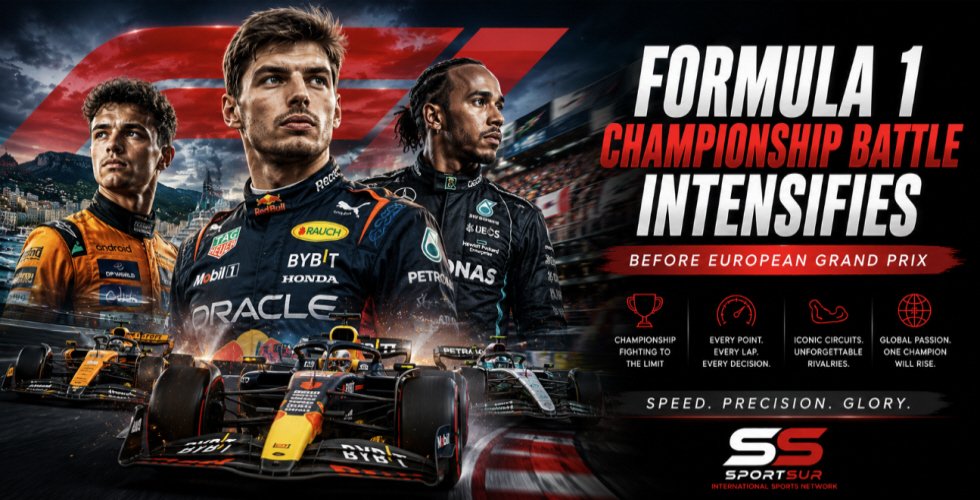
The Formula One championship battle is intensifying rapidly as teams and drivers prepare for a crucial stretch of European Grand Prix races that could significantly influence the outcome of the season. Analysts across the motorsport world believe the upcoming European calendar may become one of the most decisive periods in the current Formula 1 championship fight. Several top teams are entering the European races with increasingly aggressive development strategies as competition between leading constructors continues tightening.
Upgraded aerodynamics, tire management systems and race-day performance adjustments are now becoming critical factors as teams attempt to gain advantages during one of the fastest and most technically demanding portions of the season. Drivers competing for the world championship are also facing growing pressure as point margins remain extremely close heading into major European circuits. Every qualifying session, pit stop and strategic decision now carries greater importance as championship contenders attempt to maximize consistency while avoiding costly mistakes during high-pressure race weekends.
One of the biggest storylines surrounding the championship battle has been the ongoing rivalry between elite drivers representing the sport’s dominant teams. Fans across Europe and around the world continue following dramatic on-track battles that combine speed, technical precision and psychological intensity at the highest level of international motorsport competition. European Grand Prix events are expected to attract massive global audiences as iconic circuits prepare for sold-out crowds and worldwide media coverage.
Legendary tracks such as Monaco, Silverstone, Monza and Spa continue representing some of the most historic and emotionally charged venues in motorsport history, adding prestige and pressure to the championship race. At the same time, Formula 1’s international growth continues strengthening the sport’s global influence far beyond Europe. Streaming platforms, social media engagement and expanding international sponsorships are helping Formula 1 reach younger audiences while increasing commercial investment across the global motorsport industry.
Teams are also focusing heavily on reliability and long-term performance management as the demanding European schedule places additional stress on engines, tires and race strategies. Technical consistency could ultimately become one of the deciding factors separating championship winners from teams unable to maintain performance during consecutive race weekends.
As the Formula 1 championship battle intensifies ahead of the European Grand Prix season, many experts believe the upcoming races could redefine the direction of the entire championship. The combination of elite competition, technological innovation and growing international attention is helping Formula 1 continue evolving as one of the world’s most prestigious and globally followed sports.